
Review – D&D : World of Warcraft
Come up the coast of Kalimdor, we'll get some grog, have a few laughs...
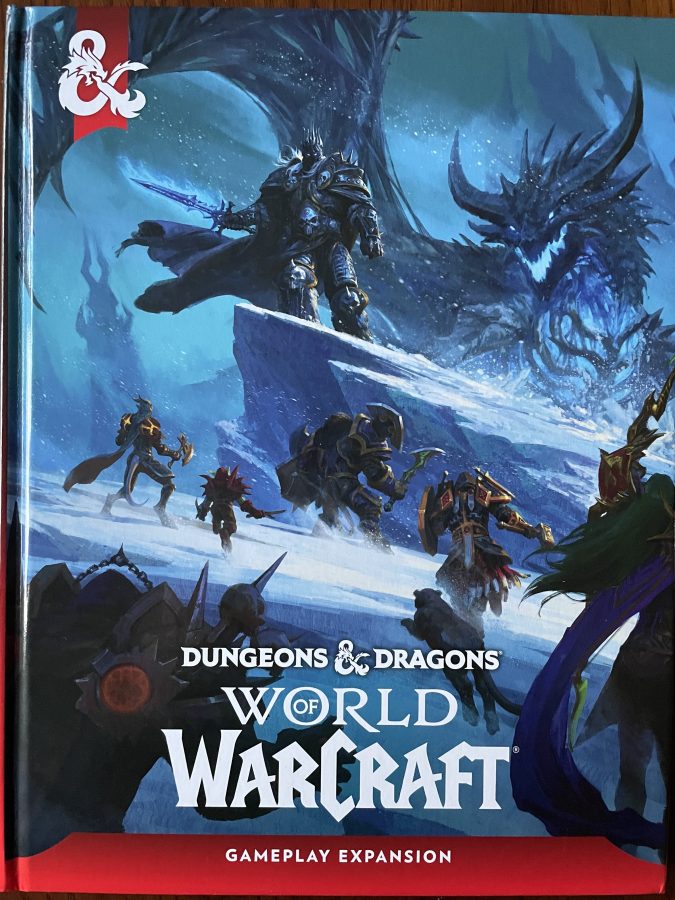
| Designer | James Wyatt |
| Artist | Wu Dejian and others |
| Publisher | Wizards of the Coast |
| Category | RPG Book |
| Length | 256 pages |
| Release Date | 2026 |
| Player Count | 2+ |
Dungeons & Dragons: World of Warcraft brings the most popular Tabletop Roleplaying Game and the most popular Massively Multiplayer Online Roleplaying Game together for the first official time, giving players a chance to play as Death Knights and Demon Hunters as they adventure across Azeroth with nothing but a character sheet, pencil, and a trusty d20 instead of a mouse and keyboard. The book has 7 chapters, all of them a wealth of information on the different Classes, Origins, Professions, Factions, Worldbuilding, and Adventures, plus a helpful Bestiary of Azeroth at the end. So, is it as fun as first setting foot through the Dark Portal, or is it as “fun” as waiting for people to show up to a 40-person raid? Read on for the review!
Content Guide
The book contains class information about a myriad of different characters, some of which are magic users; many are non-human. The book contains almost A-Z of magical enemies from undead Abominations to Voidwalkers. It also has Dragons, liches, imps, murlocs, naga, satyrs, orcs, goblins, trolls, elves, tauren, and dwarves. As with the online game, little to no blood is shown.
Review
This book (hereafter D&D: WoW) has done what is nearly impossible to do: you can jump back into World of Warcraft at any time, and now you don’t even have to pay a monthly fee. I played the online game for a couple years in college, and while it was a lot of fun at the time, I definitely don’t have the time to play that kind of game now. I was interested when I heard about the D&D: WoW book, and going back to visit Dire Maul, or Deadmines, or challenge Onyxia again is about as awesome as I could’ve hoped.
The book includes 13 different character classes, including 3 hero classes (Death Knight, Demon Hunter, Evoker). The most surprising thing I learned was that the Shaman class starts out as a Barbarian, before getting their signature Totems at level 3 (instead of Barbarian’s Primal Knowledge). I will admit I mostly played Alliance characters, not Horde, but I thought the Shaman was the foil for my Paladin. However, the class I’m most interested in rolling up a new character with is the Warrior of the Mystic Brews Monk, and if I make him Pandaren, I basically have my very own Kung-fu Panda. Skadoosh.
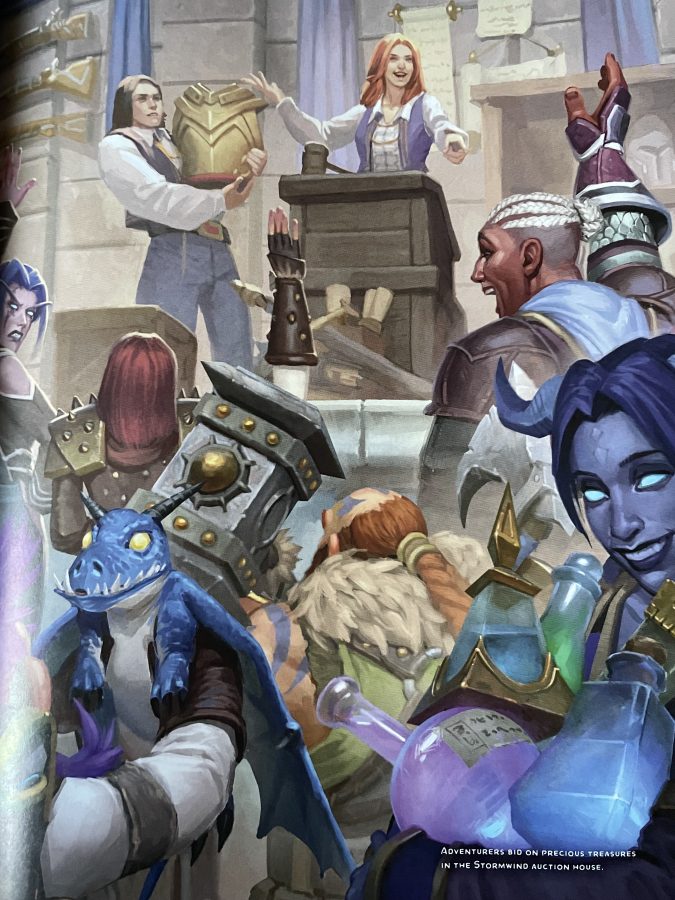
Origins is where you’ll find language, races, Renown, traits, and different factions such as Night Elves, High Elves, and Blood Elves, for example. Some of them, like Dwarves, refer you to the Player’s Handbook, while others like the Goblins or Haranir have specific traits. Chapter 3 details Professions and Crafting, giving players a chance to hone their skills as Archaeologists, Herbalists, Miners, Blacksmiths, and Tailors, just to name a few. Players will have access to different things based on their proficiency level, and can even have them start making legendary magic items at the Master level. This could be a fun non-combat addition to a game, but I remember (at least the gathering part) professions being the most boring part of WoW: they were mostly something you did to either pass the time or make a little money. I used to tailor bags to expand your inventory slots in order to get some gold and make it so I could carry more. This chapter also details Mounts, companions, and magical items you’ve probably heard of if you’ve played WoW such as Doomhammer, Frostmourne, or the Hearthstone.
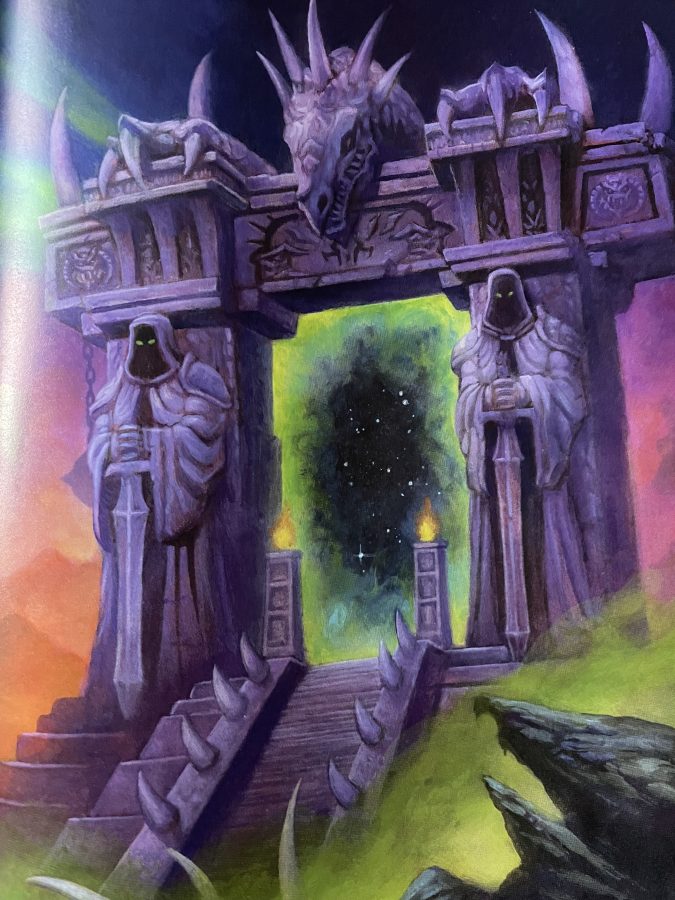
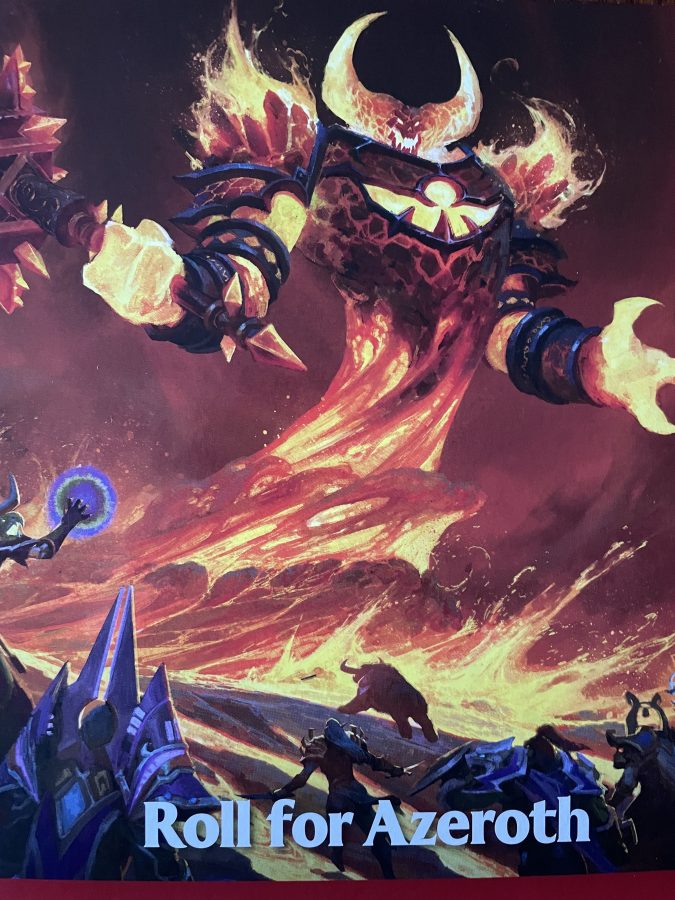
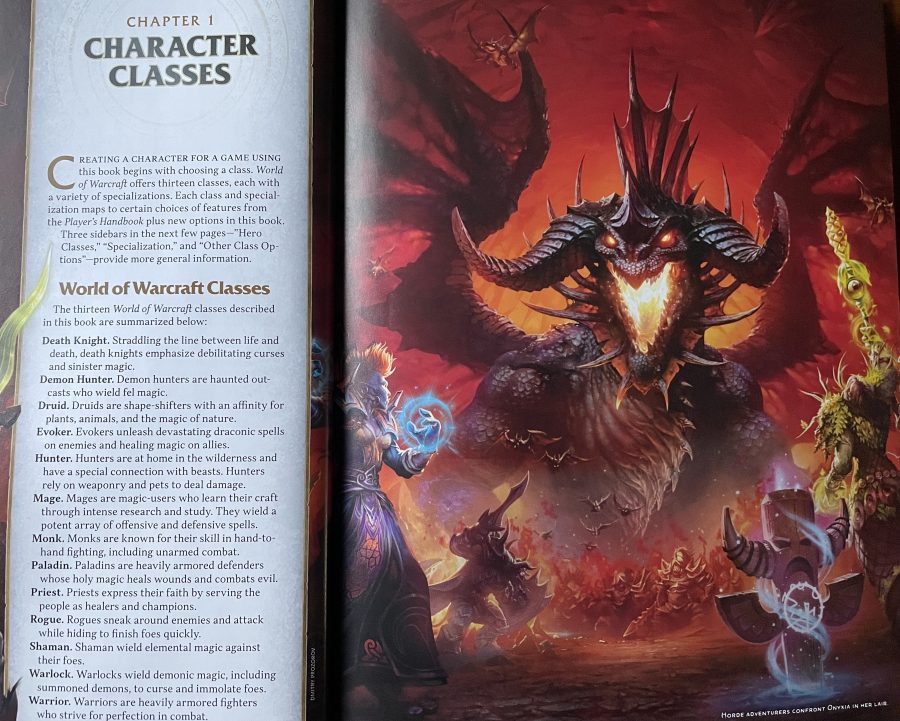
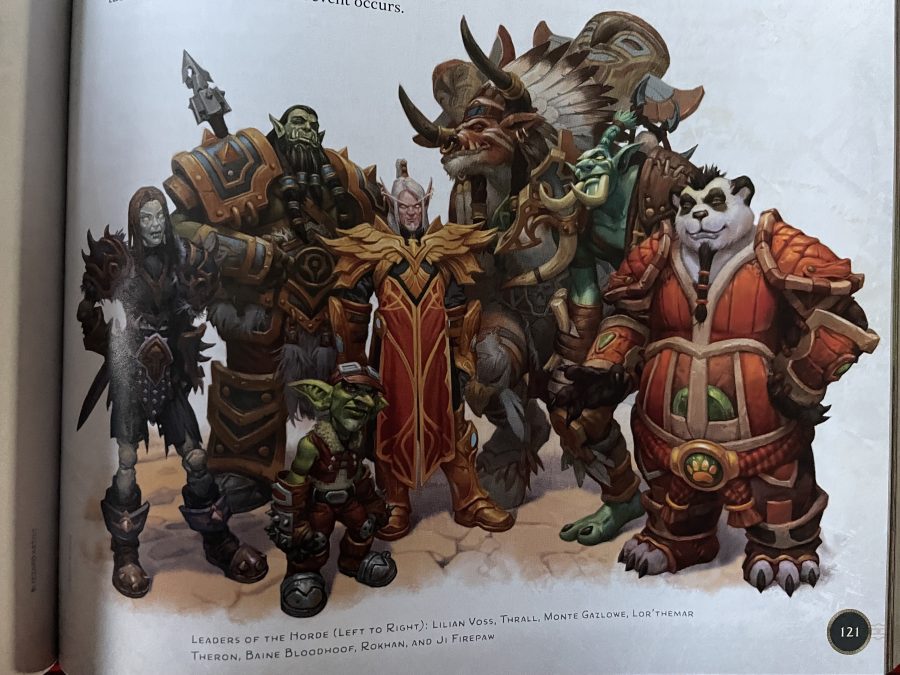
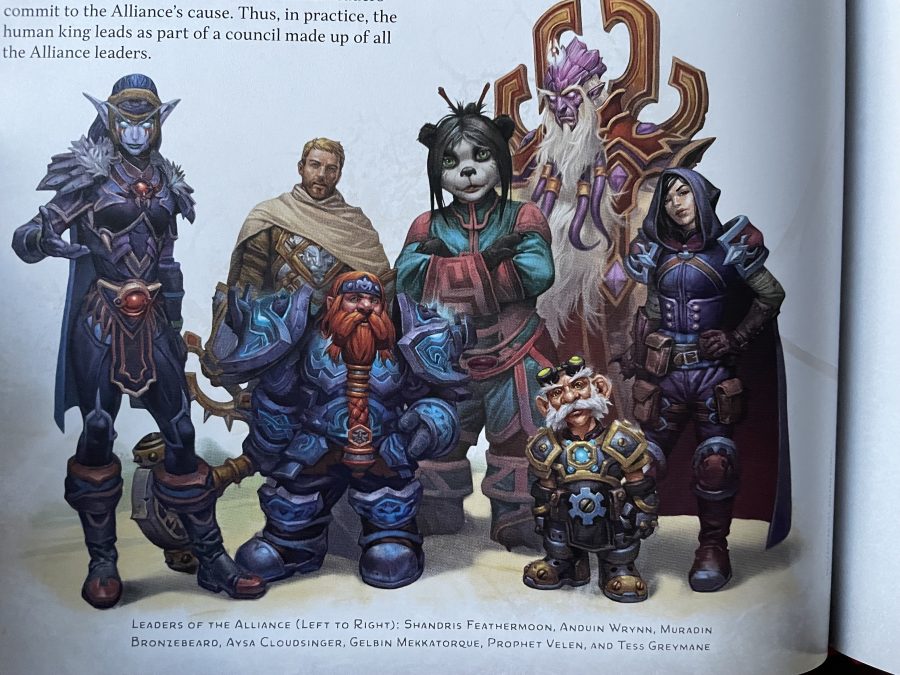
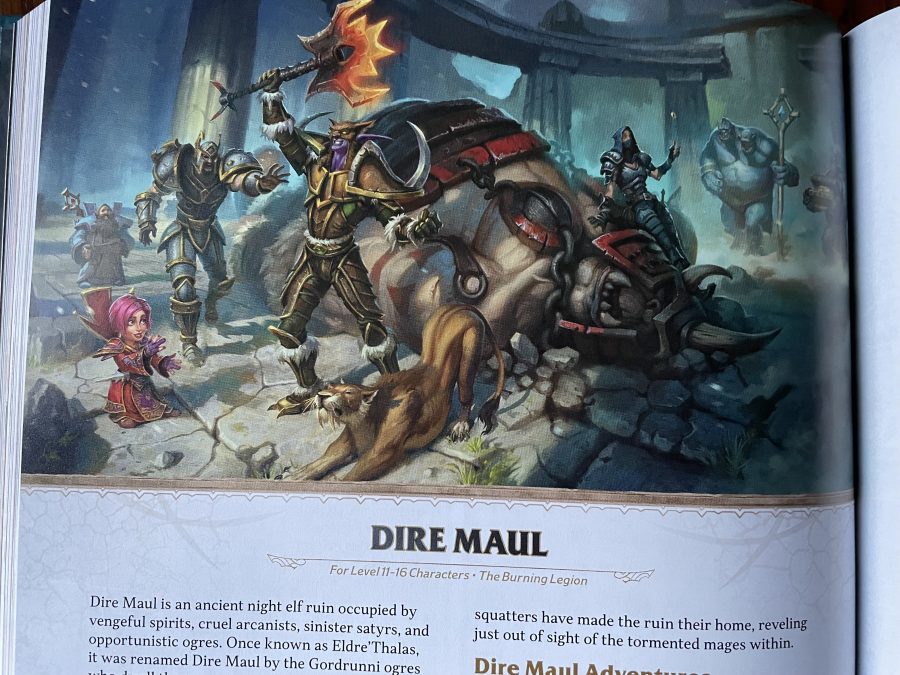
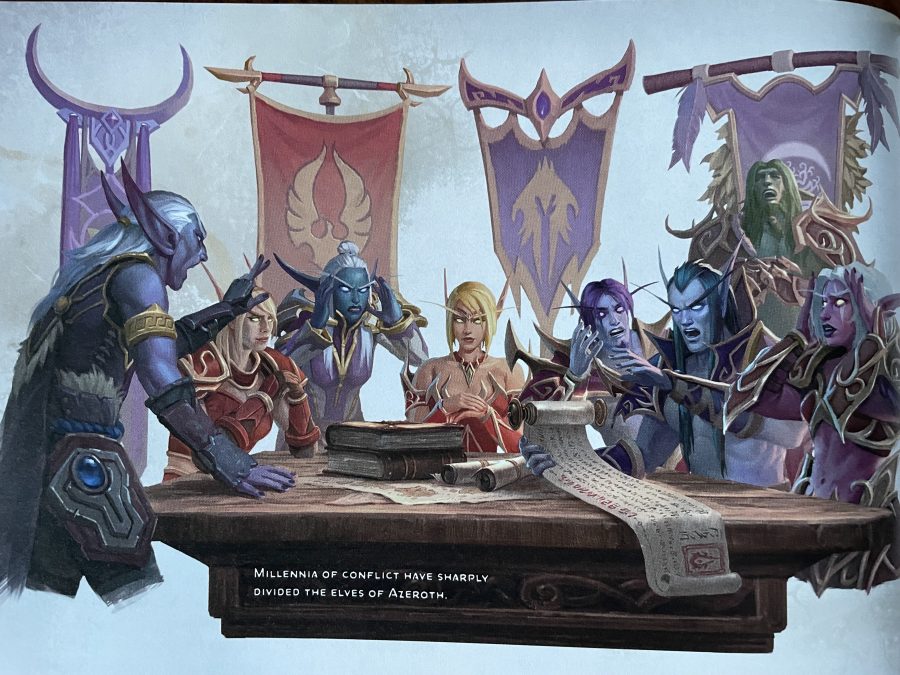
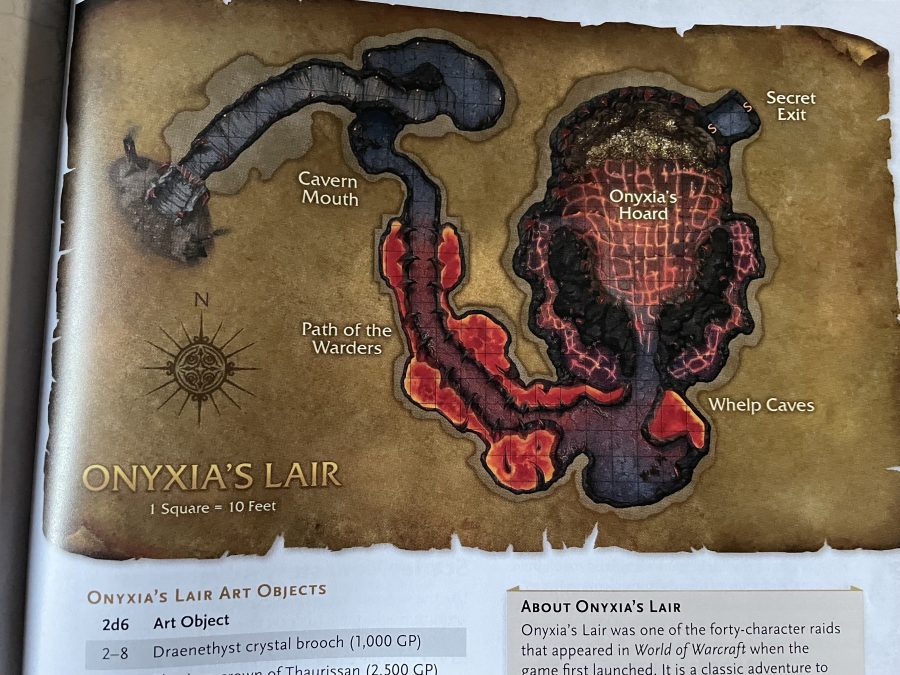
Chapter 4 details the Factions and Renown, breaking down the different perks you can get by being more and more friendly with the various Alliance and Horde groups. Chapter 5 gives some background lore on the world of Azeroth, then explains the different regions in detail along with who controls it, and what level of characters that area was designed for. Chapter 6, Adventures in Azeroth, gives a bit of advice on adapting WoW, the different conflicts, and a Dungeoneer’s guide. Then it has detailed dungeon adventures for Azjol-Nerub, Blackfathom Deeps, Deadmines, Dire Maul, Onyxia’s Lair, Scarlet Monastery, and Shadowfang Keep. And finally, chapter 7 is the Bestiary where you can see many of the creatures mentioned in the content guide.
If you played even a little bit of World of Warcraft, and you like Dungeons & Dragons, then you should absolutely look into D&D:WoW. Even if you only played a little bit of Hearthstone but you want more background, I would say you should give it a look. This is a peanut butter and chocolate level of crossover, and I only hope it continues with more Wizards of the Coast products being crossed up with Azeroth (maybe something with WoW and MTG?). This is by far my favorite D&D book release in recent memory—go buy a copy if you like either of these properties, but especially if you like both.
A review copy was provided by the publisher.
The Bottom Line
If you played even a little bit of World of Warcraft, and you like Dungeons & Dragons, then you should absolutely look into D&D:WoW.
9.0
