
This article contains spoilers for Spider-Man: Brand New Day
Spider-Man: Brand New Day is a film that surprisingly hit home for a lot of audiences, including myself. Despite not having superpowers, many of us can relate to the struggles Peter Parker exhibits throughout the story. And the biggest struggle that’s permeated throughout the course of Brand New Day is loneliness.
Loneliness is a feeling that mankind has experienced since the beginning of time. We can see this even from the beginning of the Bible; God recognized that the pinnacle of his creation, the first man, needed companionship. “It is not good for man to be alone,” he says in Genesis 2:18. By design, we were created for companionship and to create relationships with one another, no matter how much we may insist otherwise.

In the course of all four films, Tom Holland’s Spider-Man has dealt with the brunt of bad luck, from losing his mentor, his aunt, and having to erase the memory of everyone who has known him as Peter Parker, including his two closest friends. He becomes alone in the world, essentially isolating himself from human society altogether, still moonlighting as Spider-Man for practically every moment of the day.
But things begin to change when he’s faced with an unknown threat—a telepath begins wreaking havoc across the city, possessing people and threatening Peter’s loved ones. He discovers that the telepath is Jean Grey, a runaway mutant who is looking for her long-lost sister.
Despite Jean having very few scruples and Spider-Man determined to stop her, both of them are more similar than they think. They’re alone in the world, with no friends or family to help them, doing the best they can with the means with which they’ve been given. And both of them are doing very badly through the course of the film because of their loneliness.

It comes to a head when Peter reacquaints himself with Ned and MJ, who have forgotten his identity as Peter Parker. He bonds with them, hesitant in revealing their past friendship, because he wants to keep them safe from his dangerous lifestyle. Yet he knows deep down how much he needs them, and he even admits to them that spending time with them is nice. He knows how much he needs other people, but he would rather sacrifice his well-being first than put anymore people in harm’s way and risk losing more people.
In the climax of the story, Jean Grey learns that her sister was killed and she is captured by the same people who experimented on her. Spider-Man goes to rescue Jean, and in the process, Jean uncovers a memory of Aunt May comforting Peter, telling him how much she loves him and that he’s not alone. Through her powers, Jean experiences this memory as if she were the one remembering it. Peter connects to Jean through this moment, reaching out to her. Despite the pain and harm she has caused, Peter sees the hurt and loneliness; it’s the same as his, after all.
Today, despite it being easier than ever to connect with just about anyone in the world, loneliness is as pervasive as it has ever been. All of us have—or do—experience loneliness. We can see ourselves in how Peter and Jean deal with their experience. While one way is arguably more beneficial to society than the other, neither are healthy for the individual.
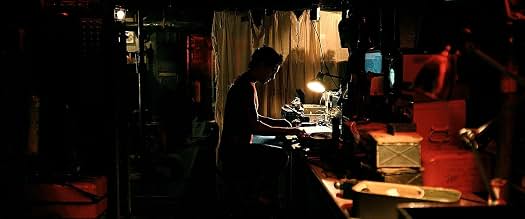
Some of us may be more like Peter—finding distractions for our loneliness through work, shopping, partying, or traveling. We’ll do anything to avoid thinking and feeling how alone we are in the world.
Or we may be like Jean Grey, hurting ourselves or others, to get back at a world that we feel abandoned and hurt us, or for not being good enough to belong. No matter who we are, we can all experience loneliness and be hurt by it.
So, what do we do?
We should understand that so much of the world feels alone… but does that mean we’re truly alone if so many of us feel this way?
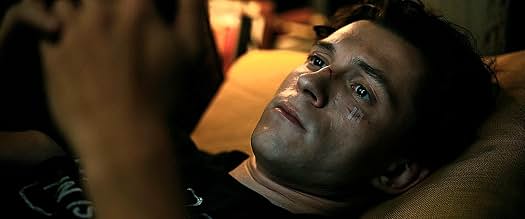
The film shows some simple things anyone can do that could help combat loneliness. It may not be easy, and it may not erase the hurt that we feel from it, but it can be a starting point in the right direction.
We need to build community and connections with one another. That means taking a chance that people want to get to know us. And if we can’t, we can always look elsewhere; there are so many people in the world, after all. We can find community in the church, which is important, or reaching out to someone who may seem like they could use a friend. Even offering a listening ear and sharing your story may help build connection with someone who may need it.
Will it always be pretty and painless? No. But is it worth it? Definitely. By the end of the film, Peter and Jean are on the way to be far healthier than they were at the beginning of the film. We can take that first step today, in courage and in prayer, to build community with one another, and take a stand in the growing epidemic that has hurt so many of us for so long.
Absolute literature. Great job, Andrea!