
Overview
| Developer | Rice Games |
| Publisher | Rice Games |
| Genre | JRPG |
| Platforms | PlayStation 4 | 5 (Reviewed), Switch, PC |
| Release Date | February 13, 2025 |
You’ve got to love the indie game scene. Driven by passion, they have the potential to develop unique games big studios would never greenlight. Enter Shujinkou, a dungeon-crawling JRPG with Japanese language learning as a major part of its core focus. There’s something you’ll never see Sony or Nintendo do, and the industry will be better for the effort.
Content Guide
Violence: Combat is turn-based with basic animations. Enemies will just kind of fade away when they’re defeated.
Sexual Content: There are instances of men shirtless and women bearing cleavage or in swimsuits. Some characters lean heavily into innuendo and implied sexual discussion. There are relationship-building missions and minigames that include dating and visiting their homes. The game has a swimsuit DLC pack that has no trouble employing sex appeal as part of its draw (as many JRPGs are wont to do).
Drugs and Alcohol: While I don’t directly recall any alcohol, there are vendors who sell food and drink. It wouldn’t surprise me to see sake (rice wine) or other alcoholic beverages. There are festivals and some folks who imply they like to party hard.
Language/Crude Humor: There are some curse words employed in service of the game’s story. Expect to see the same sorts of words you would hear on prime-time television.
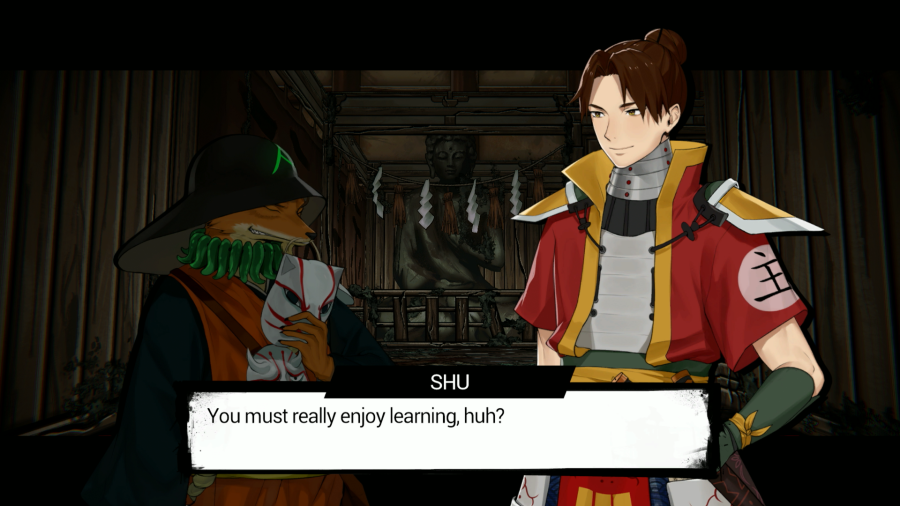
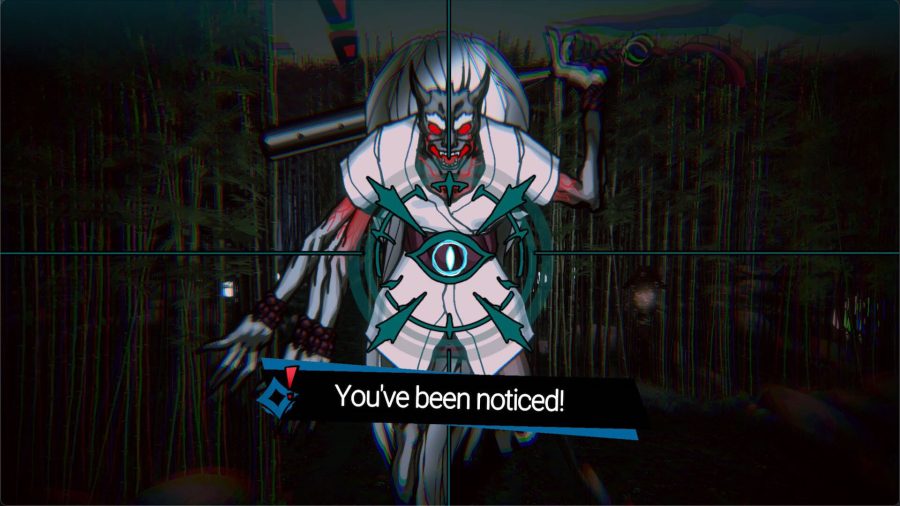
Dark/Spiritual Content: Japanese culture heavily influences the game, which often prominently features demons. There are spirits, demons, and more here causing trouble for our heroes.
Review
The Japanese language is notoriously one of the most complex systems on earth. This can make it a daunting task for anyone to consider learning. Rice Games, a solo-dev studio with a team of contractors, is turning that notion on its head with Shujinkou, a JRPG steeped in the lore of the Land of the Rising Sun with a focus on teaching the language as part of the game. The result is surprisingly both fun and educational in the best ways possible.
The game, which earns its name from the three main plot characters (Shu, Jin, and Kou), opens with Shu and his sister, Momo, visiting the town when a demon attacks and kills a lady. This leads Shu, who was formerly a high-ranking soldier, and two of his best friends on a journey to stop the akuma (evil spirits) from attacking people. What starts with a small handful of folks in a village will eventually span multiple characters and nations, and this is just the first entry in what promises to be an interesting trilogy.
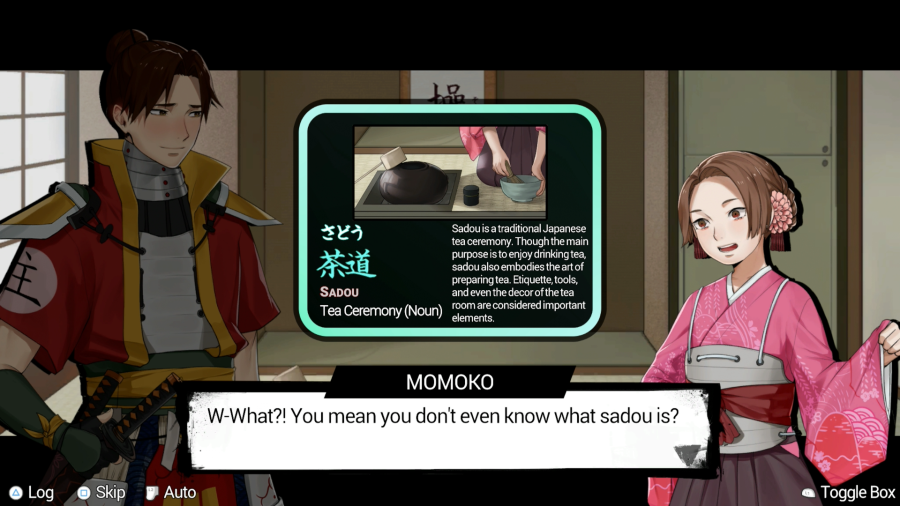
I have to give it to the team at Rice Games. I like the story well enough to dig my heels in, and the characters are well-written and fleshed out on top of that. The game does a great job of making the cast likable while being multifaceted. I appreciated the way all their attitudes and motivations could really show through, no matter the situation.
First, let’s discuss the Japanese language learning integration. When the game starts, you’re given the choice of playing the game as a cut-and-dried JRPG or factoring in learning. From there, you’re given some options for how that will present itself. What I settled on would show menu options in English, but the chosen option would shift to Japanese. I love this idea and its implementation helped me begin picking up a few things right away. For example, “Yes” would be “Hai,” while “Cancel” would show up as “Kyanseru.” The same language mechanics extended to inventory, settings, and more. The game also wisely provides words in blue, which can be translated on the fly but keep the atmosphere of the conversations flowing nicely.
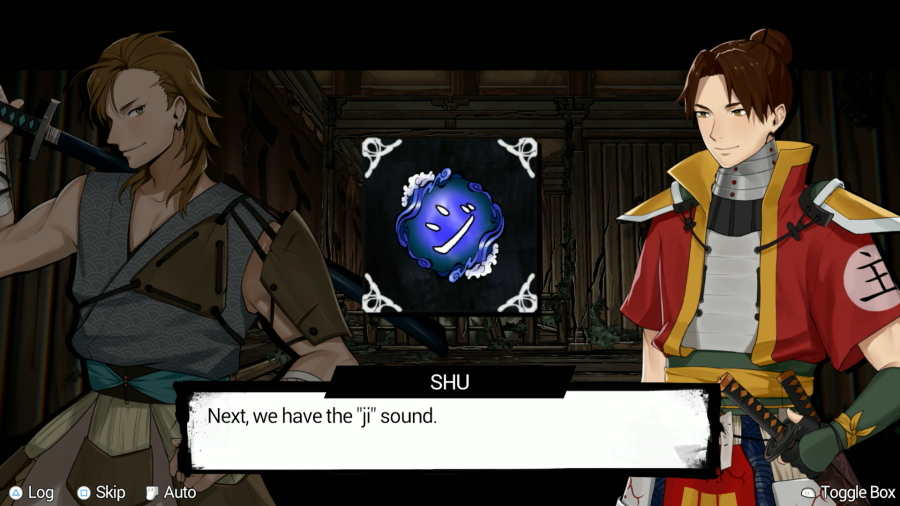
The game is a turn-based dungeon-crawler in the vein of Etrian Odyssey. You’ll move one space at a time, unveiling the map as you maneuver. You’ll fight enemies, loot treasure, and uncover the dungeon as you go, often with boss battles scattered throughout. As you work your way through these dungeons, you’ll find what the game calls “Kanakae”. These include kanji, katakana, and hiragana: the building blocks of the Japanese language. Each kanakae is associated natural element (fire, water, etc.) and be built in sets and applied to characters for use in combat.
You may mistake Shujinkou‘s battle system for the same turn-based mechanics you’ve seen for years. While it derives from the familiar, it cleverly utilizes language mechanics to great effect. Let’s say you’re fighting a fox (known as a “kitsune”). The fox may be weak to fire, so you could keep pummeling it with fire attacks. Shujinkou allows the player to cleverly gain an “ontological” advantage by using elements of their name. For example, you could have your characters attack with the kanakae representing the elements “ki”, “tsu”, and “ne.” This would let you deal substantially more damage and encourage language learning in the process! It’s genuinely turned into a combat system I thoroughly enjoy.
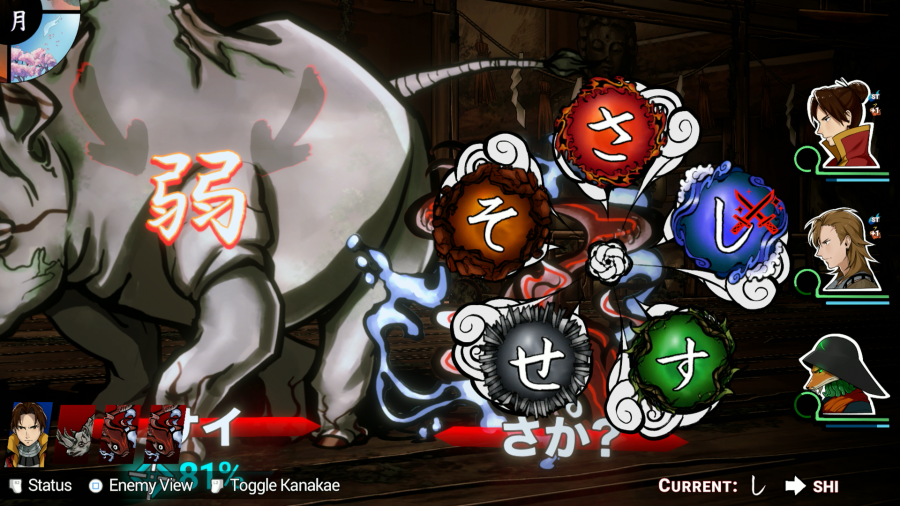
As you grow and level up, you’ll get access to skill trees including special skills known as “Arawasu.” These can range from blocking attacks to healing to casting fire or water magic. There’s an impressive number of skills for each character and it makes you more effective in the field. Combat also eventually gives you access to “Koushou,” the ability to negotiate with enemies, answering trivia or language questions to earn boons. Before we wrap up combat, I’d be remiss if I left out how running from battle is handled. Fleeing, or “Nigeru”, presents you with a question (either about Japanese or something in the game’s world) and you have a limited time to answer it. I think it’s a brilliant twist on an old mechanic.
On top of the dungeons, there are towns you can explore. You can chat with different folks, buy food and gear, interact with your friends, and pick up side quests from the mission board in town. These can range from taking out a group of enemies to bringing certain items from your dungeon dives. The breadth of content here is impressive.
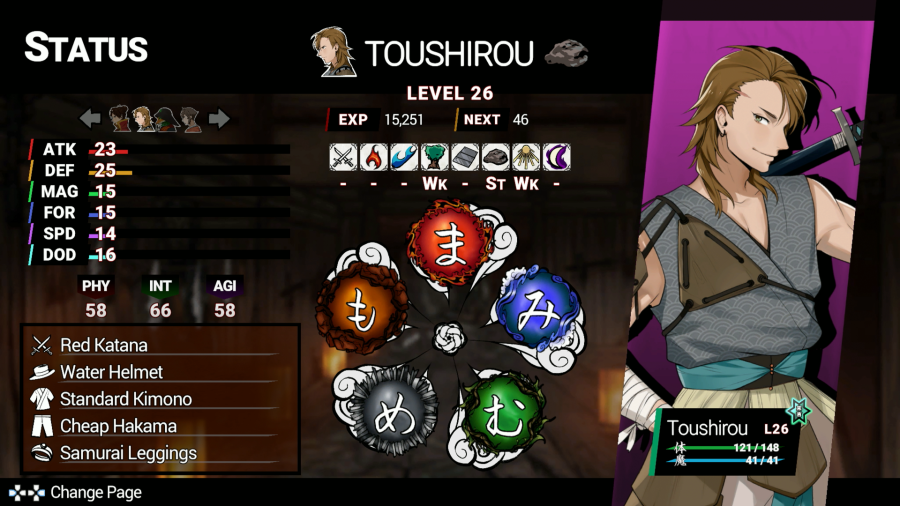
From an aesthetic perspective, I’ve grown to love what Shujinkou is doing. The game is often done with simple 2-D sprites and rudimentary 3-D dungeons, but from characters to monsters to the world around you, everything is so beautifully drawn, it really grew on me. Sure, it’s a bit spartan compared to Triple-A contemporaries like Dragon Quest XI, but it’s gorgeous in its simplicity. The game also features a banger soundtrack that never felt out of place.
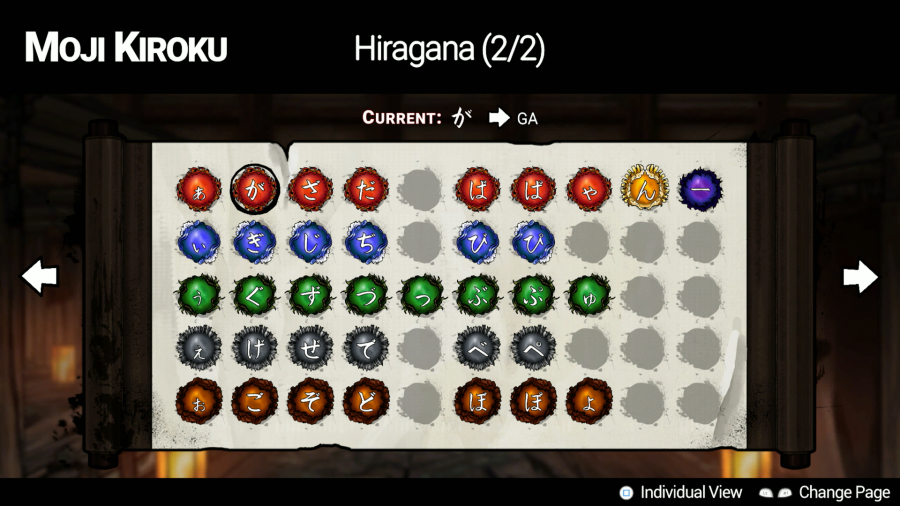
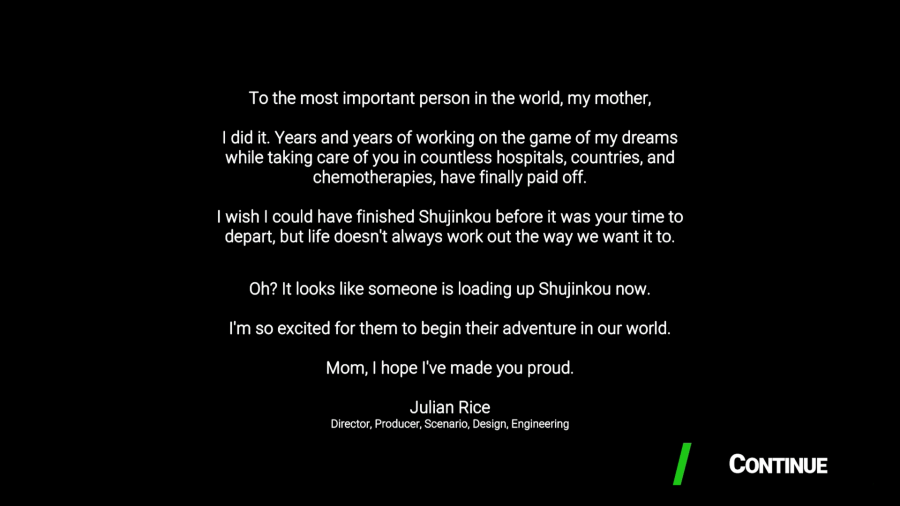
Shujinkou and games like it are why I love the indie scene so much. This game is clearly a labor of love (as witnessed by the statement when the game launches; genuinely heartfelt), but what it does, it does wonderfully. This went from being something I’d never heard of to one of my favorite conceptual experiences in years. I’ve both grown to enjoy the dungeon-crawling format and picked up a TON of Japanese in my time with the game. If you’re interested in indie games, RPGs, or learning Japanese, I recommend considering this gem. It has its flaws but I think it’s been well worth my time.
Review copy provided by Rice Games
The Bottom Line
While Shujinkou isn't perfect, the fusion of Japanese language learning and turn-based combat provides a wonderful title that both educates and satisfies the gamer patient enough to learn and engage with its systems.